
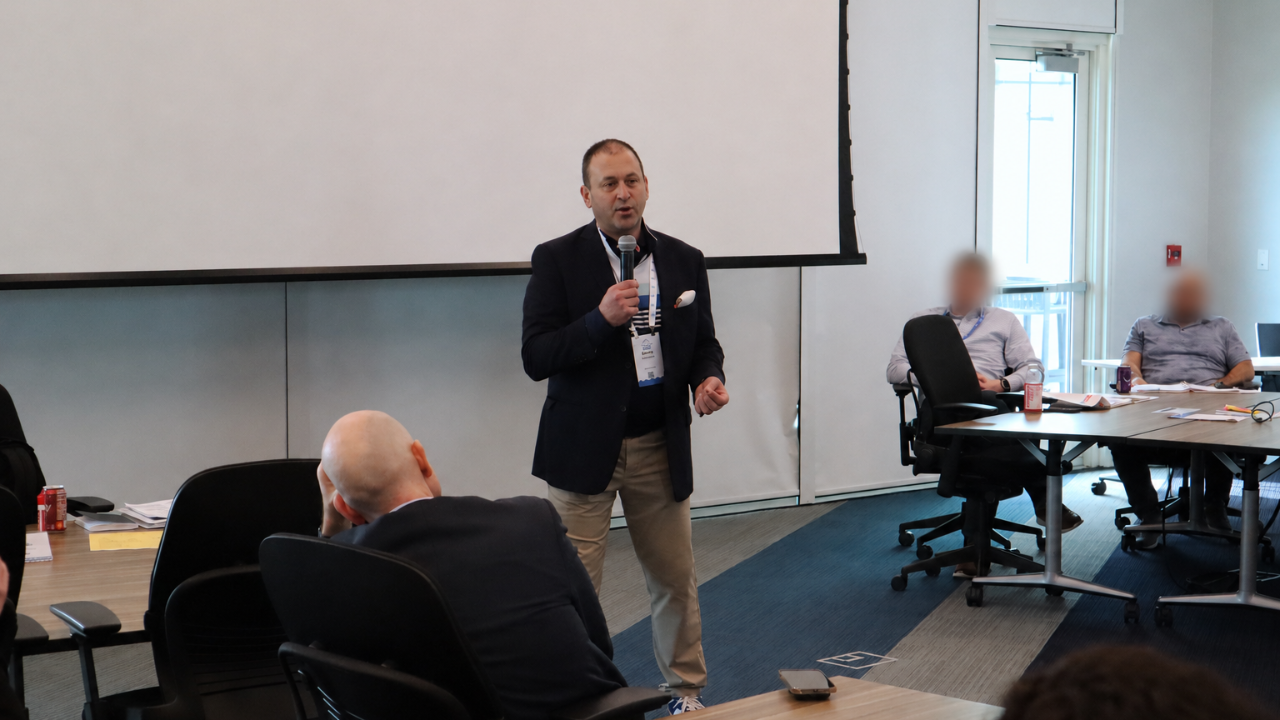
Executive Presence for Managers
Jul 10, 2026Executive presence has evolved far beyond traditional command-and-control leadership styles. In today's fast-paced business environment, executive presence for managers represents your ability to communicate with clarity, build credibility through consistent actions, and influence outcomes even when you're not the most senior person in the room.
This comprehensive guide explores how modern managers can develop authentic executive presence that drives results, builds trust with teams, and positions them for career advancement. Whether you're leading cross-functional projects or managing customer-facing initiatives, these strategies will help you strengthen your leadership signal and create lasting impact.
Understanding Modern Executive Presence
Executive presence is often described as an intangible quality, but it's actually built on very specific, learnable skills. At its core, executive presence is your ability to connect authentically with others while demonstrating competence, composure, and clear thinking under pressure.
Modern executive presence differs significantly from outdated models of leadership. Instead of relying on hierarchy or formal authority, effective managers today build presence through three foundational elements:
- Clarity in communication: The ability to distill complex information into actionable insights.
- Credibility through consistency: Matching your actions with your words over time.
- Composure under pressure: Remaining steady and thoughtful when stakes are high.
These elements work together to create what leadership experts now call "leadership signal strength"—how clearly your thinking, steadiness, and intent come across to others, especially during challenging situations.
The Four Pillars of Executive Presence for Managers
Pillar 1: Strategic Communication
Effective communication forms the foundation of executive presence. Managers with strong presence don't just share information; they structure their messages to drive understanding and action.
The 30-Second Rule: Practice summarizing complex situations or decisions in 30 seconds or less. Start with your conclusion, provide the two most important supporting points, and end with a clear next step. This structure helps your audience follow your thinking and remember key points.
Preparation Over Performance: Rather than relying on charisma or presentation tricks, focus on thorough preparation. Know your material inside and out, anticipate questions, and have clear answers ready. This preparation shows through as confidence and competence.
Multi-Channel Consistency: Ensure your message remains consistent across different communication channels. Whether you're speaking in meetings, writing emails, or presenting to leadership, your core messages should align and reinforce each other.
Pillar 2: Credibility Building
Credibility is earned through consistent behavior over time. Managers develop credibility by being transparent about constraints, following through on commitments, and admitting when they don't know something.
Transparency in Decision Making: When facing difficult decisions, openly discuss trade-offs and constraints. This transparency builds trust and helps others understand the reasoning behind your choices. Teams appreciate managers who acknowledge limitations rather than making unrealistic promises.
Promise Management: Only make commitments you can keep, and when circumstances change, communicate early and often. Your reputation for reliability becomes a key component of your executive presence.
Competence Display: Regularly connect your contributions to measurable business outcomes. Whether it's improved team performance, successful project delivery, or customer satisfaction gains, tie your presence to tangible results that others can point to.
Pillar 3: Emotional Regulation
Composure under pressure distinguishes managers with strong executive presence. This isn't about suppressing emotions, but rather managing your responses thoughtfully.
Response vs. Reaction: When challenged or surprised, take a moment to process before responding. This pause demonstrates thoughtfulness and prevents reactive statements that could undermine your credibility.
Silence as a Tool: Don't feel compelled to fill every pause in conversation. Comfortable silence can encourage others to share more information or think more deeply about the topic at hand.
Stress Management: Develop personal strategies for managing stress that work in professional settings. This might include brief breathing exercises, reframing techniques, or physical grounding methods that help you stay centered during difficult conversations.
Pillar 4: Inclusive Leadership
Modern professional leadership skills emphasize bringing others along rather than commanding from the front. Inclusive leadership strengthens your presence by building coalition and shared ownership of outcomes.
Question-Based Engagement: Use strategic questions to guide conversations and help others reach conclusions. This approach builds buy-in and demonstrates respect for others' thinking processes.
Feedback Integration: Actively seek specific feedback on your communication clarity, decision-making process, and follow-through. This shows confidence and commitment to continuous improvement.
Cultural Intelligence: Adapt your communication style to work effectively with diverse team members while maintaining your authentic leadership voice.
Building Your Leadership Brand
Executive presence extends beyond individual interactions to encompass your overall leadership brand—how others perceive your capabilities, values, and impact over time.
Identifying Your Core Strengths
Start by auditing your career achievements and the competencies that drove those successes. Look for patterns in your most significant contributions and identify three to four core strengths that differentiate you as a leader.
Consider these questions:
- What problems do colleagues typically bring to you?
- Which of your contributions have had the most measurable impact?
- What aspects of leadership energize you most?
- Where do you consistently deliver above-average results?
Visibility and Recognition
Strong managerial communication skills include the ability to appropriately highlight your contributions and those of your team. This isn't about self-promotion, but about ensuring decision-makers understand the value you bring to the organization.
Strategic Storytelling: Develop clear, concise stories that illustrate your leadership impact. Focus on the situation, your actions, and the measurable results. Keep these stories updated with recent examples.
Forum Participation: Make yourself visible in key organizational forums—strategic planning sessions, cross-functional project meetings, and leadership development opportunities. Contribute meaningfully to discussions rather than simply attending.
Outcome Documentation: Regularly document and communicate how your leadership contributes to business results. This creates a track record that supports your reputation for effectiveness.
Practical Daily Habits
Executive presence develops through consistent daily practices rather than occasional grand gestures. Implement these habits to gradually strengthen your leadership presence:
Morning Intention Setting
Begin each day by asking yourself: "How do I want to show up as a leader today?" Consider the key interactions you'll have and the impression you want to leave. This simple practice helps ensure your behavior aligns with your leadership intentions.
Meeting Leadership
In every meeting, look for opportunities to demonstrate executive presence:
- Arrive prepared with clear objectives and key questions.
- Listen actively and ask clarifying questions that move conversations forward.
- Summarize decisions and next steps before meetings end.
- Follow up promptly on commitments made.
Evening Reflection
End each day by reflecting on your leadership moments. Ask yourself:
- Where did I communicate with clarity and impact?
- How did I handle challenging situations?
- What could I have done differently?
- How did my actions align with my intended leadership brand?
Overcoming Common Challenges
Many managers struggle with specific aspects of developing executive presence. Here are solutions to the most common challenges:
Imposter Syndrome
Feeling like you don't belong in leadership roles can undermine your presence. Combat this by focusing on your track record of results and the specific value you bring to your role. Remember that most successful leaders have experienced similar doubts.
Perfectionism
Waiting until you have all the answers before speaking up can make you appear disengaged. Instead, contribute by asking thoughtful questions, acknowledging what you don't know, and offering to find answers.
Over-Communication
Some managers try to build presence by talking more, but this often backfires. Focus on the quality and relevance of your contributions rather than their frequency.
Inconsistent Messaging
Mixed messages confuse teams and undermine credibility. Develop clear talking points for key initiatives and ensure all your communications support the same core messages.
Measuring Your Progress
Track your development of executive presence through both formal and informal feedback mechanisms:
360-Degree Feedback: Regularly seek input from supervisors, peers, and direct reports about your communication effectiveness, decision-making clarity, and leadership impact.
Meeting Effectiveness: After important meetings, ask trusted colleagues for specific feedback on your contributions and presence.
Project Outcomes: Monitor whether your leadership presence translates into better project results, improved team engagement, and stronger stakeholder relationships.
Career Advancement: Track whether your developing executive presence leads to increased responsibilities, leadership opportunities, and career progression.
Long-Term Development Strategy
Building executive presence is a career-long journey that requires continuous attention and refinement. Create a development plan that includes:
Skill Building: Identify specific communication, leadership, or technical skills that would enhance your presence and create learning plans to develop them.
Mentor Relationships: Seek mentors who exemplify the type of executive presence you want to develop. Observe their behaviors and ask for specific guidance.
Leadership Opportunities: Volunteer for stretch assignments that will challenge you to demonstrate executive presence in new contexts.
Network Expansion: Build relationships with other leaders both within and outside your organization to expose yourself to different leadership styles and approaches.
Conclusion
Executive presence for managers is fundamentally about your ability to inspire confidence, communicate with clarity, and drive results through others. It's not about having all the answers or never making mistakes, but about how you handle challenges, communicate vision, and build credibility over time.
The managers who develop strongest executive presence focus on preparation over performance, consistency over charisma, and outcomes over appearances. They understand that presence is built through daily interactions and demonstrated through measurable impact on their teams and organizations.
By implementing the strategies outlined in this guide—developing clear communication skills, building credibility through consistent action, maintaining composure under pressure, and practicing inclusive leadership—you can strengthen your executive presence and advance your management career.
Remember that executive presence develops gradually through consistent practice and reflection. Focus on making small improvements in your daily leadership behaviors, and over time, these changes will compound into a stronger, more authentic leadership presence that serves both your career goals and your team's success.